Domestic Work
The Situation
With an estimated 3.8 million victims worldwide, the domestic work sector accounts for the largest share of estimated victims of private-sector forced labor.
Domestic workers are particularly vulnerable. They often have few skills and little education, even relative to other low-skilled, highly vulnerable occupations. Women and girls account for a large percentage of domestic workers and frequently face additional vulnerabilities related to gender. They are often migrants – either overseas or internal – and face the risks of exploitation that all labor migrants face. There are major challenges to reducing prevalence of modern slavery in domestic work, including:
The highly fragmented, isolated, and opaque nature of household employment, which further exacerbates vulnerability and makes intervention more challenging.
Monitoring and influencing the practices of private recruitment companies, which have at least some public exposure and visibility, is difficult. To do the same behind the closed doors of private households, where victims can be completely cut off from the outside, is an even greater challenge.
Labor laws often exclude domestic workers entirely, making government monitoring or prosecution of perpetrators nearly impossible.
Even when recruited through formal channels, domestic workers are rarely served by the most professional of agencies, which often view placement of domestic workers as a less attractive business segment
What We're Doing
GFEMS is supporting and developing models of ethical recruitment that protect the rights of migrant workers.
The Fund’s domestic work programming currently focuses on overseas female domestic workers. Interventions in this area often overlap with other migrant labor populations. GFEMS interventions prioritize major source countries for domestic workers, including the Philippines and Bangladesh, and destinations including GCC countries and Hong Kong — with strategies to expand to additional migration corridors.The Fund’s strategy addresses issues throughout the system driving the trafficking of domestic workers:
To reduce the supply of vulnerable domestic workers, GFEMS is intervening in communities to address root economic vulnerabilities, raise awareness, and ensure domestic workers and their families are properly prepared. For those who do become victims, GFEMS is working to determine the best reintegration approaches and means by which reintegration services can be scaled and sustained for all victims.
To shift demand away from exploitation of domestic workers and toward ethical recruitment and employment, GFEMS is contributing to the growing ethical recruitment movement. The Fund is creating and supporting ethical recruitment agencies that place domestic workers, changing the behaviors of household employers, and equipping all stakeholders with tools that make ethical recruitment of domestic workers more effective.
To address the enabling environment, GFEMS interventions are improving relevant written criminal laws and regulations pertaining to domestic workers and equipping stakeholders to enforce the law and better implement regulations — all of which can end the impunity of bad actors and incentivize the rest of the market to adopt better practices.

GFEMS works to provide employment pathways that protect the rights of vulnerable domestic workers
Program Spotlights
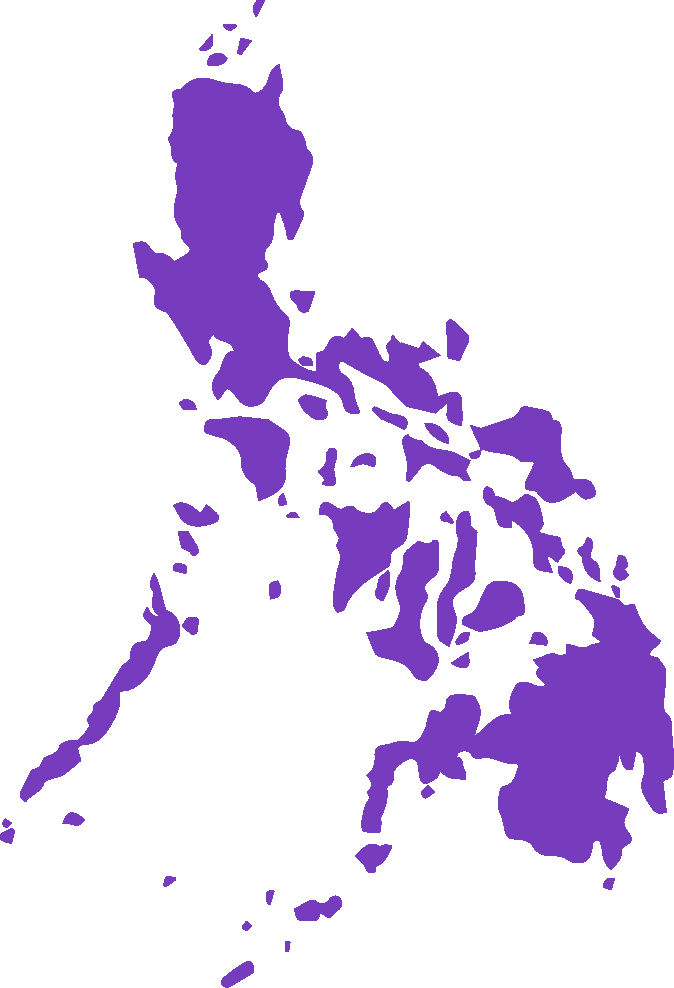
FILIPINO DOMESTIC WORKERS
In the Philippines, where an estimated 800,000 overseas migrants are female domestic workers, GFEMS is advancing its domestic worker strategy on multiple fronts:
Building ethical recruitment operations to provide safe opportunities
On the demand side, GFEMS is working with Fair Employment Foundation (FEF) to prove that ethical recruitment of domestic workers is not only good, but also good business. In a matter of years FEF has grown to become one of the largest recruitment agencies in Hong Kong, placing thousands of domestic workers from the Philippines. They have created demand where none previously existed and have proven that household employers are willing to pay for ethical recruitment. With support from GFEMS, FEF is accelerating their growth, generating evidence of the impact and business case for ethical recruitment of domestic workers, testing the re-skilling of domestic workers for alternative livelihoods, expanding to new markets, and using the lever of competition to put pressure on other recruiters to adopt ethical practices.
Enhancing government response to trafficking and victim restoration
The Fund’s partner Blas F. Ople Center, a renowned NGO for migrants, is contributing across all pillars of the GFEMS strategy, with particular emphasis on government engagement. Together, GFEMS and the Ople Center are:
Establishing an interagency government task force focused on forced labor of overseas domestic workers
Developing a victim case management system so that authorities can more effectively and efficiently respond to incidents.
Providing repatriated victims with skills training and employment counseling
Advocating for smart government policies that will facilitate the growth of ethical recruitment.
LOOKING FORWARD
GFEMS continues to design additional projects in the Philippines that build on the progress of current efforts, including:
Further engagements on the broader labor recruitment industry, providing a complementary approach to the startup model of ethical recruitment represented by FEF
Interventions in source migrant communities to improve the awareness and preparedness of migrants and aspiring migrants, their families, and other stakeholders.
GFEMS continues to pursue partners and co-investors to scale and sustain its systemwide efforts and to help launch complementary interventions in key destination countries.
Learn more about similar programs in: